Origin and structure
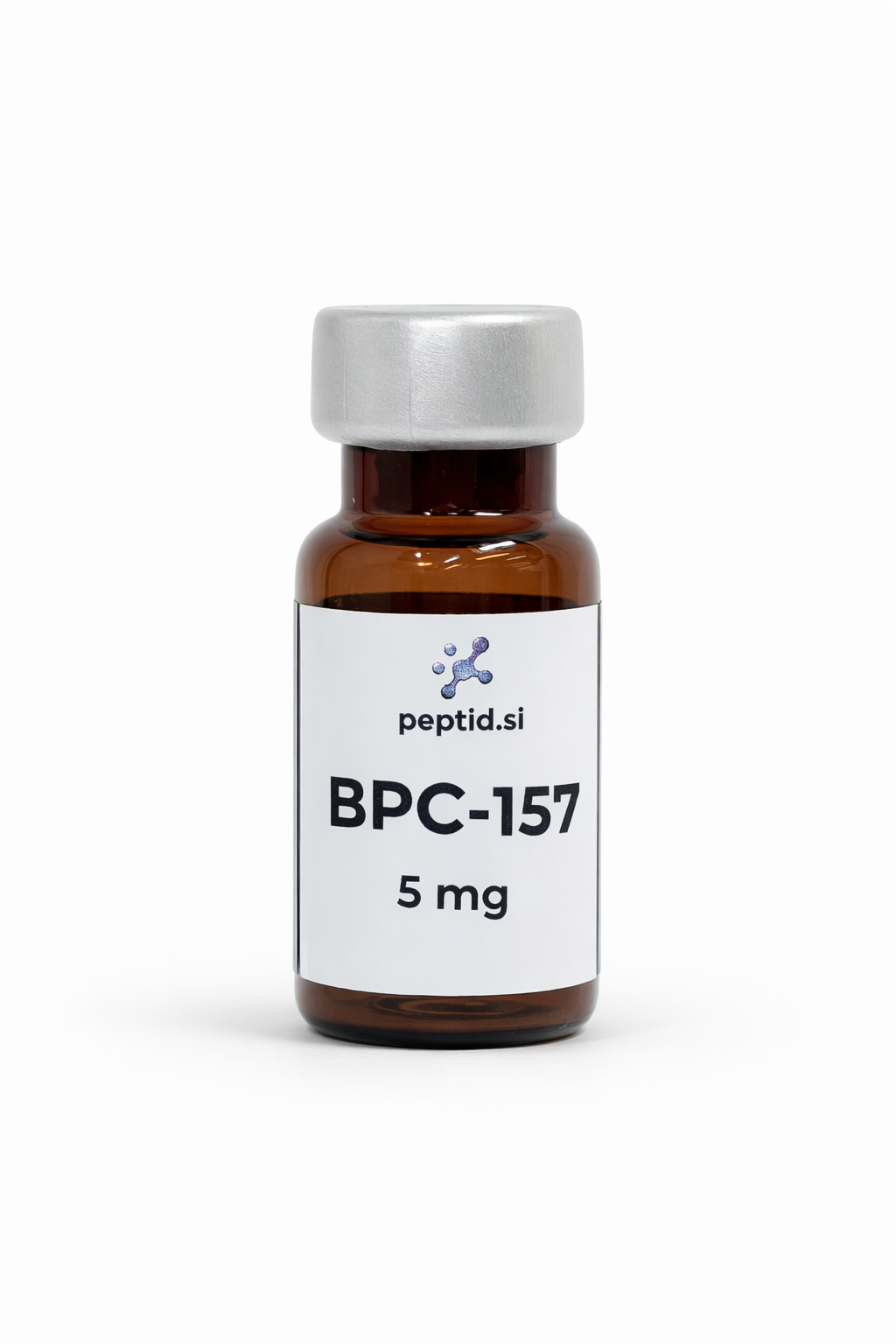
BPC-157 is a fragment of a larger protein from the gastric mucosa. Molecular weight: 1,419.5 Da. CAS: 137525-51-0. It is stable in acidic environments, which is unsurprising given its gastric juice origin. It is made by solid-phase peptide synthesis (SPPS) and purified by HPLC to at least 98%.
Mechanisms in preclinical models
Angiogenesis: promotes new blood vessel formation in preclinical studies. Gastrointestinal protection: models show mucosal protection from NSAIDs and alcohol. Musculoskeletal regeneration: studied in tendon, muscle, and ligament healing. Neuroprotective activity: recent studies examine dopaminergic system effects.
Limitations of evidence
Most data comes from animal studies and cell cultures. Human clinical trials are scarce and don't meet randomized controlled trial standards. Doses from animal models do not translate directly to humans. BPC-157 is not approved for medical use by the FDA, EMA, or any other regulatory body, and remains a research peptide.
Quality and purity
Quality between suppliers varies a lot. Peptid.si provides BPC-157 at ≥99% purity, confirmed by independent HPLC and MS analysis. The Certificate of Analysis is publicly available in the COA Vault.
References / Links
- Gwyer D, Wragg NM, Wilson SL (2019). Gastric pentadecapeptide body protection compound BPC 157 and its role in accelerating musculoskeletal soft tissue healing. Cell Tissue Res. PubMed
- Seiwerth S, Milavić M, Vukojevic J, Gojković S, et al. (2021). Stable Gastric Pentadecapeptide BPC 157 and Wound Healing. Front Pharmacol. Frontiers
- Chang CH, Tsai WC, Hsu YH, Pang JHS (2014). Pentadecapeptide BPC 157 Enhances the Growth Hormone Receptor Expression in Tendon Fibroblasts. Molecules. MDPI
- Xu C, Sun L, Ren F, Huang P, Tian Z, et al. (2020). Preclinical safety evaluation of body protective compound-157, a potential drug for treating various wounds. Regul Toxicol Pharmacol. ScienceDirect
- Huang T, Zhang K, Sun L, Xue X, et al. (2015). Body protective compound-157 enhances alkali-burn wound healing in vivo and promotes proliferation, migration, and angiogenesis in vitro. Drug Des Devel Ther. PubMed