HPLC: measuring purity
HPLC separates compounds in a sample by physicochemical properties. The sample passes through a C18 column while a UV detector measures absorption at 220 nm. The result is a chromatogram, with the main peak being the target peptide and the smaller peaks impurities. Peptid.si reaches 99.9% average purity.
Mass spectrometry: confirming identity
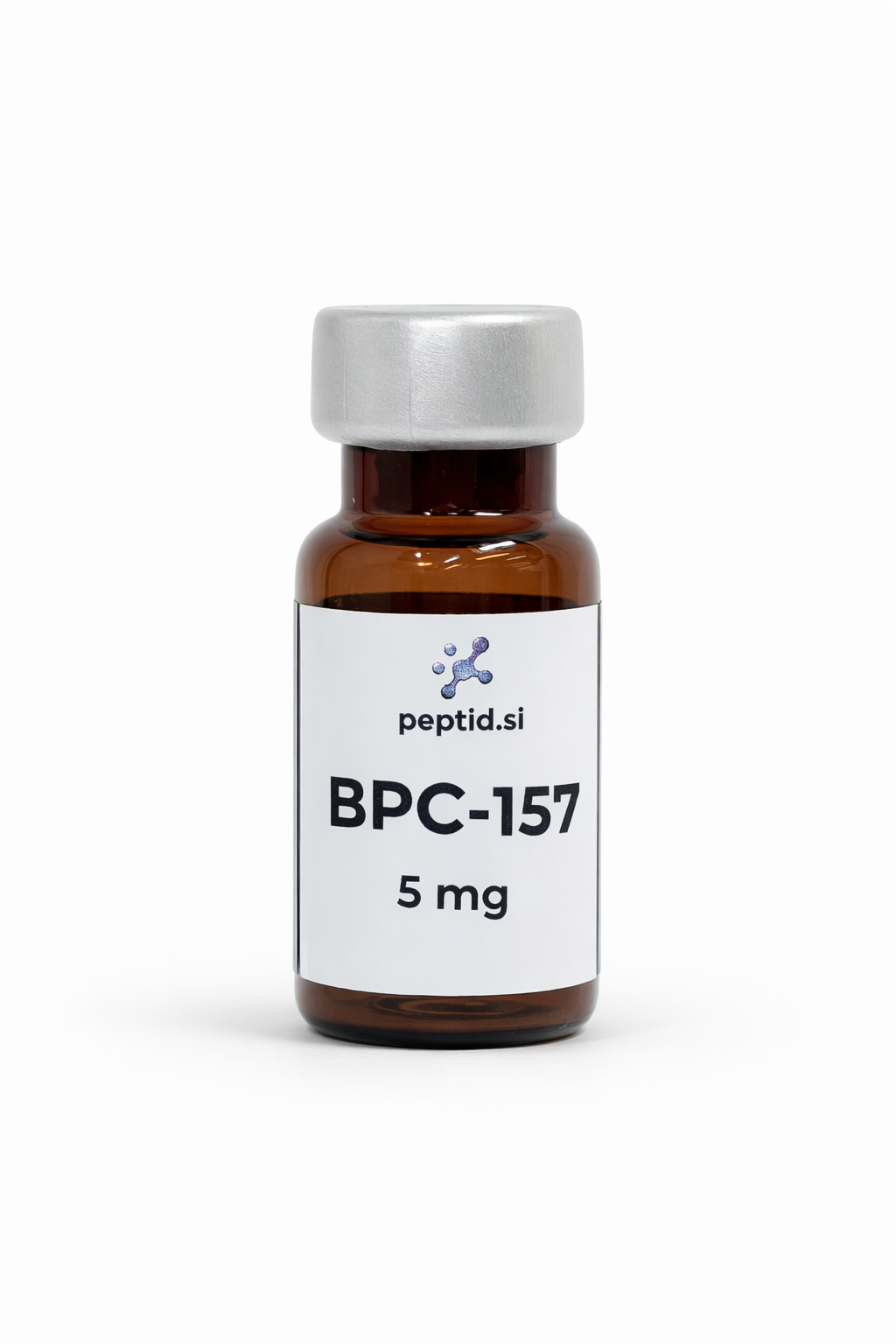
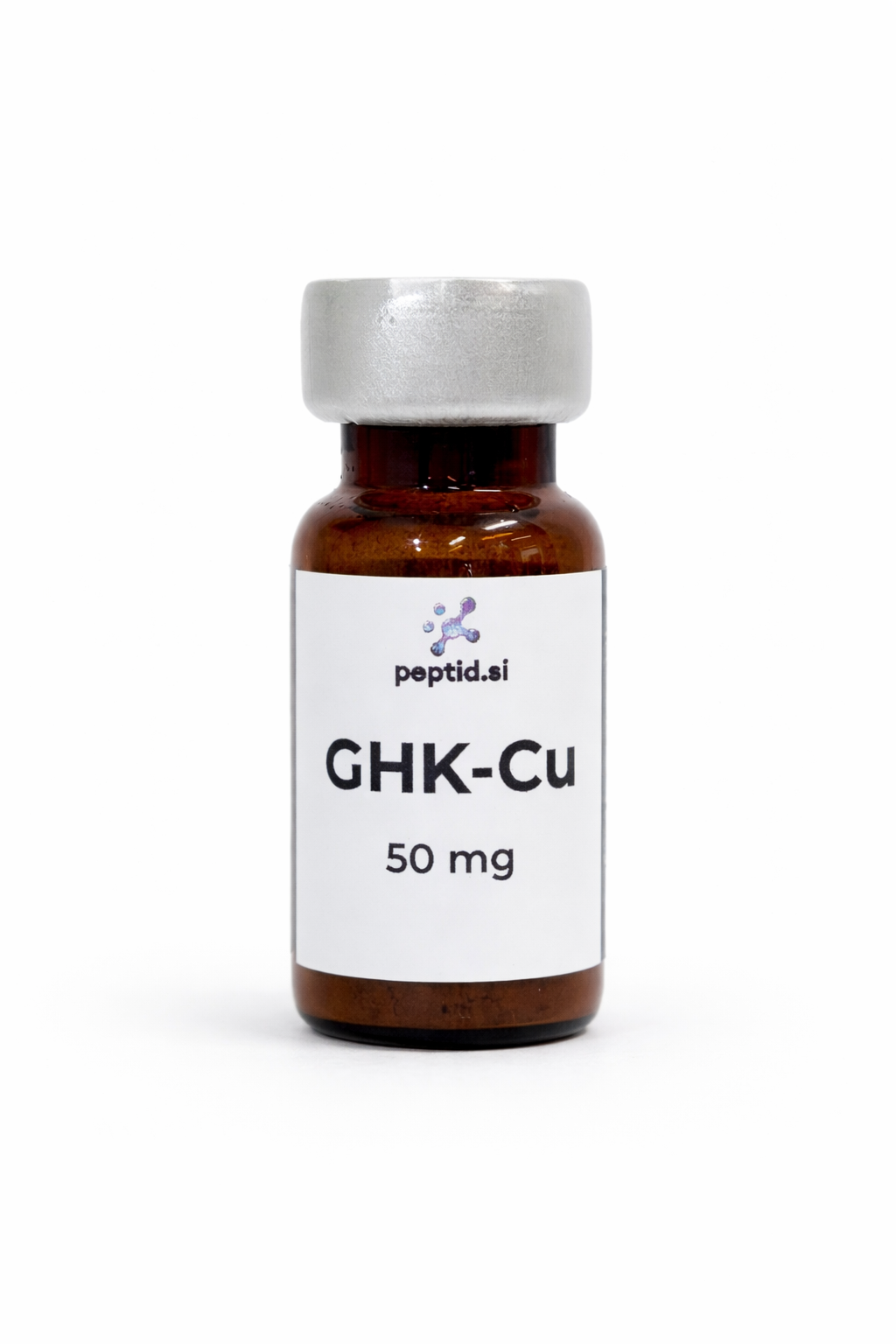
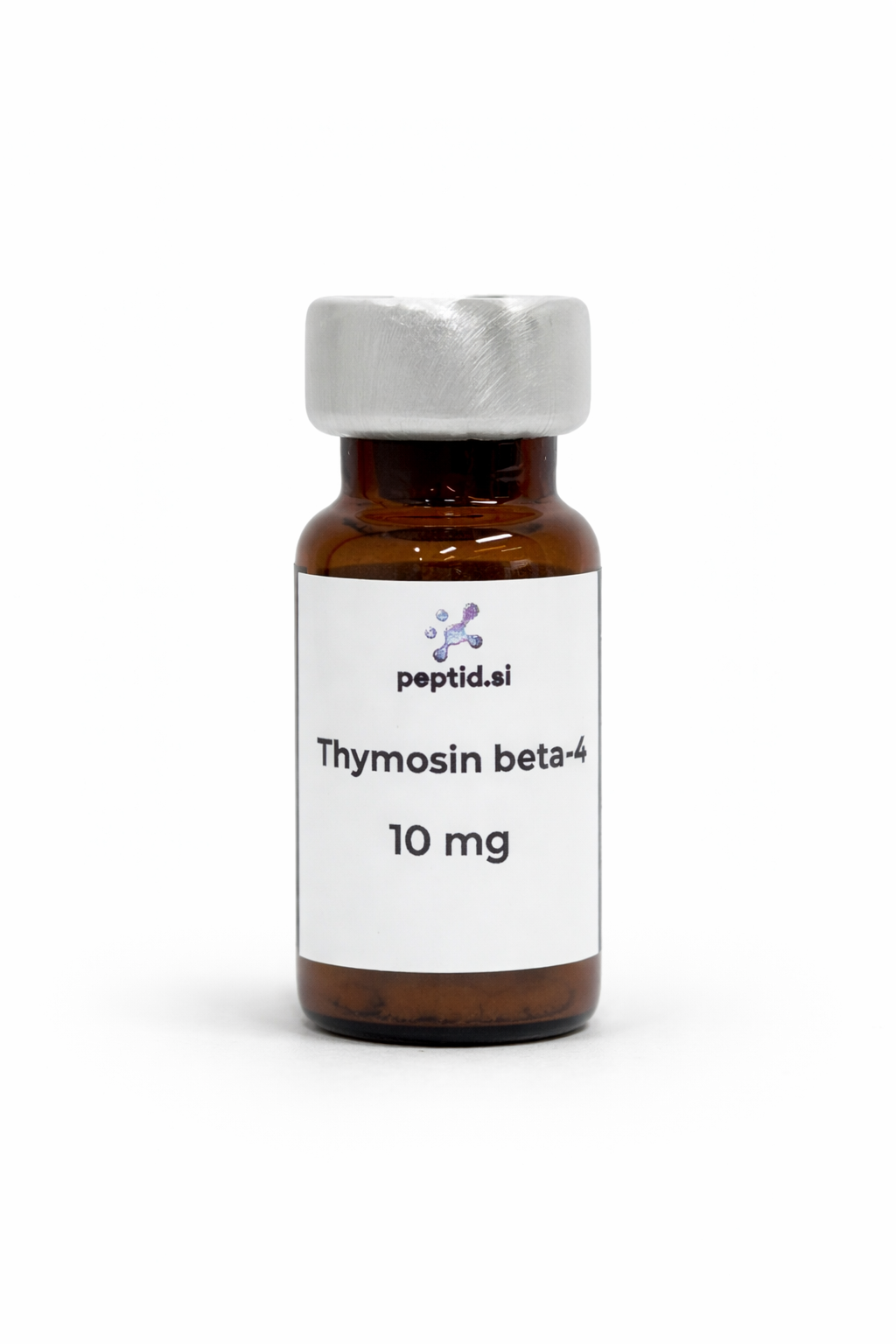
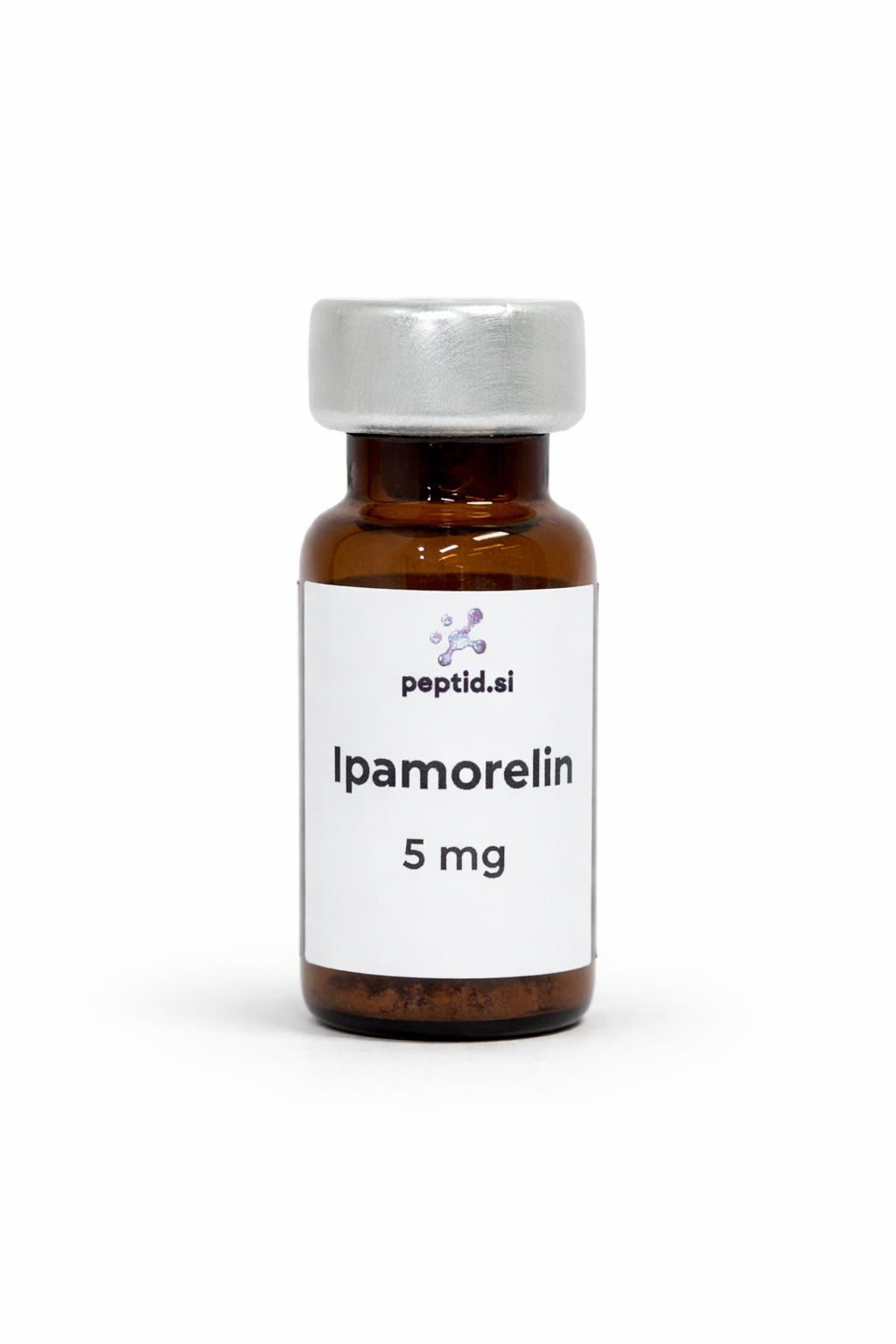
MS measures molecular weight to the decimal. Known weights: BPC-157 is 1,419.5 Da, TB-500 is 4,963 Da, GHK-Cu is 403.9 Da, and Ipamorelin is 711.9 Da. A peptide missing one amino acid can still appear 99% pure on HPLC and yet be the wrong molecule. That is why MS matters.
Additional testing
Reliable suppliers also test for endotoxins (LAL method, specification <5 EU/mg), heavy metals (arsenic, cadmium, mercury, lead, per European Pharmacopoeia), and bioburden for microbial contamination.
Choosing a supplier
When choosing a supplier, check for: independent lab testing, batch-specific COAs, published chromatograms, and MS data. All of this is publicly available in the COA Vault at peptid.si, with downloadable PDFs.
References / Links
- Mant CT, Chen Y, Yan Z, Popa TV, et al. (2007). HPLC analysis and purification of peptides. Methods Mol Biol. PubMed
- Yang Y, Boysen RI, Chowdhury J, Alam A, Hearn MTW (2015). Analysis of peptides and protein digests by reversed phase HPLC-electrospray ionisation mass spectrometry using neutral pH elution conditions. Anal Chim Acta. ScienceDirect
- Zhang H, Liu Q, Zimmerman LJ, Ham AJL, et al. (2011). Methods for peptide and protein quantitation by liquid chromatography-multiple reaction monitoring mass spectrometry. Mol Cell Proteomics. PubMed
- Wojtkiewicz M, Berg Luecke L, Kelly MI, Gundry RL (2021). Facile Preparation of Peptides for Mass Spectrometry Analysis in Bottom-Up Proteomics Workflows. Curr Protoc. PubMed
- Udeshi ND, Compton PD, Shabanowitz J, Hunt DF, Rose KL (2008). Methods for analyzing peptides and proteins on a chromatographic timescale by electron-transfer dissociation mass spectrometry. Nat Protoc. Nature