How do peptides differ from proteins?
Peptides have a lower molecular weight (generally under 5,000 daltons), allowing easier membrane crossing. The body produces peptides on its own: insulin, oxytocin, and endorphins are all examples. Research peptides are synthetic copies of these natural molecules, or entirely new sequences designed for specific experiments.
Why does purity matter?
Purity is the single most important quality factor. A peptide with low purity contains impurities that can affect research outcomes. A minimum of ≥98% HPLC purity is recommended. Peptid.si provides an average purity of 99.9%, confirmed through independent laboratory analysis.
How to verify peptide quality
A reliable supplier provides a Certificate of Analysis (COA) for each batch. It includes HPLC purity, mass spectrometry, endotoxin and heavy metal testing, and the batch number. Peptid.si publishes all this data in the COA Vault.
Most commonly researched peptides
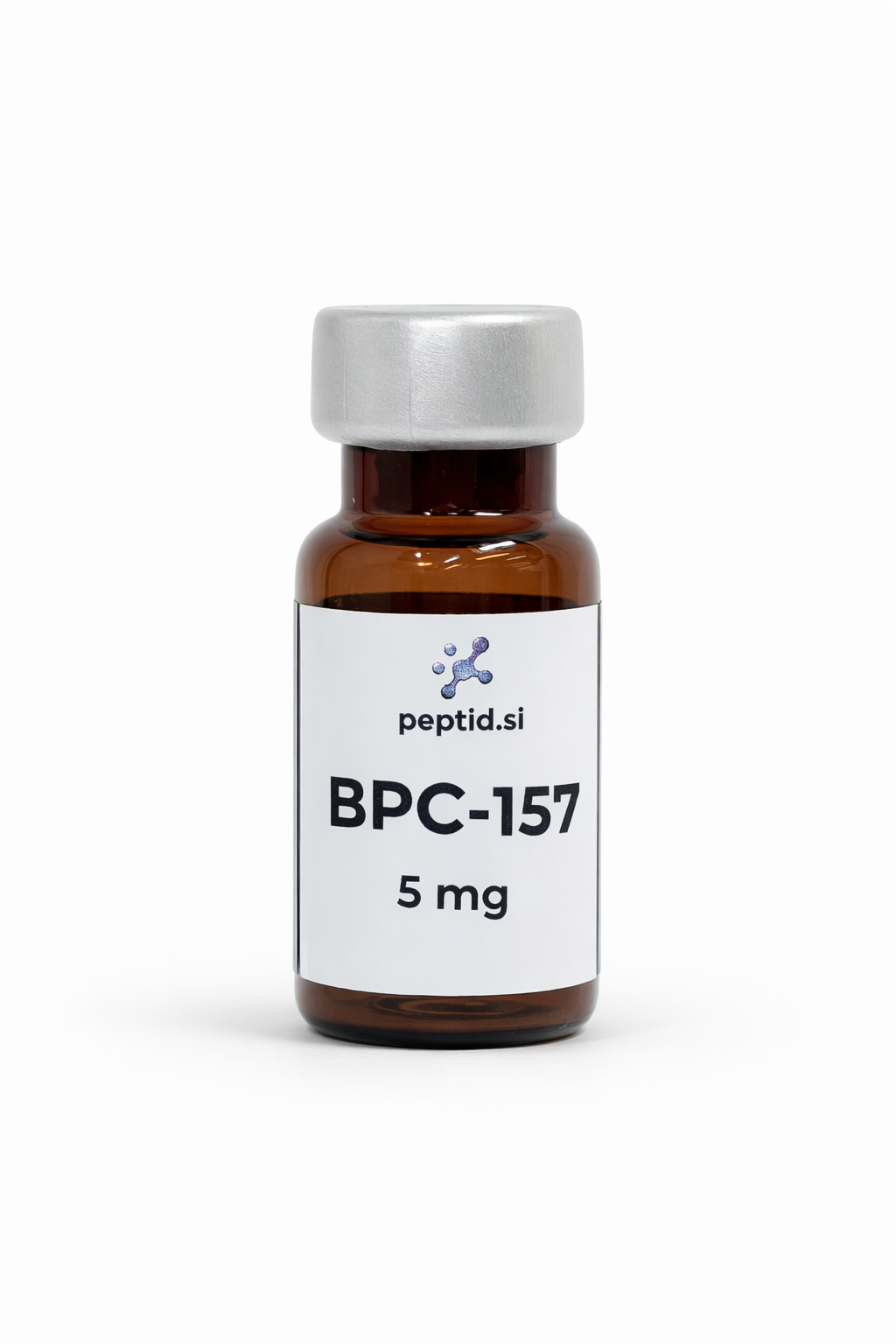
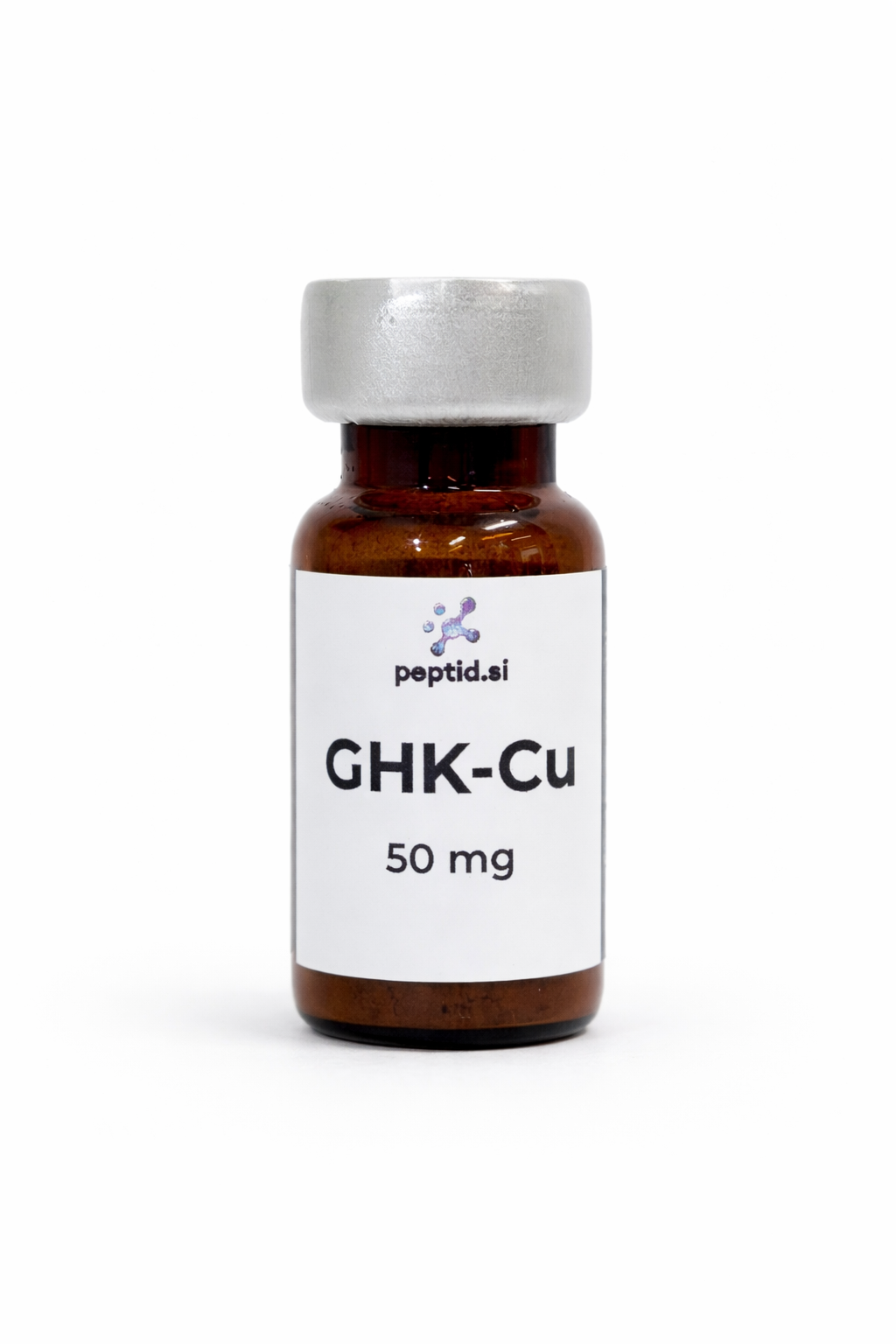
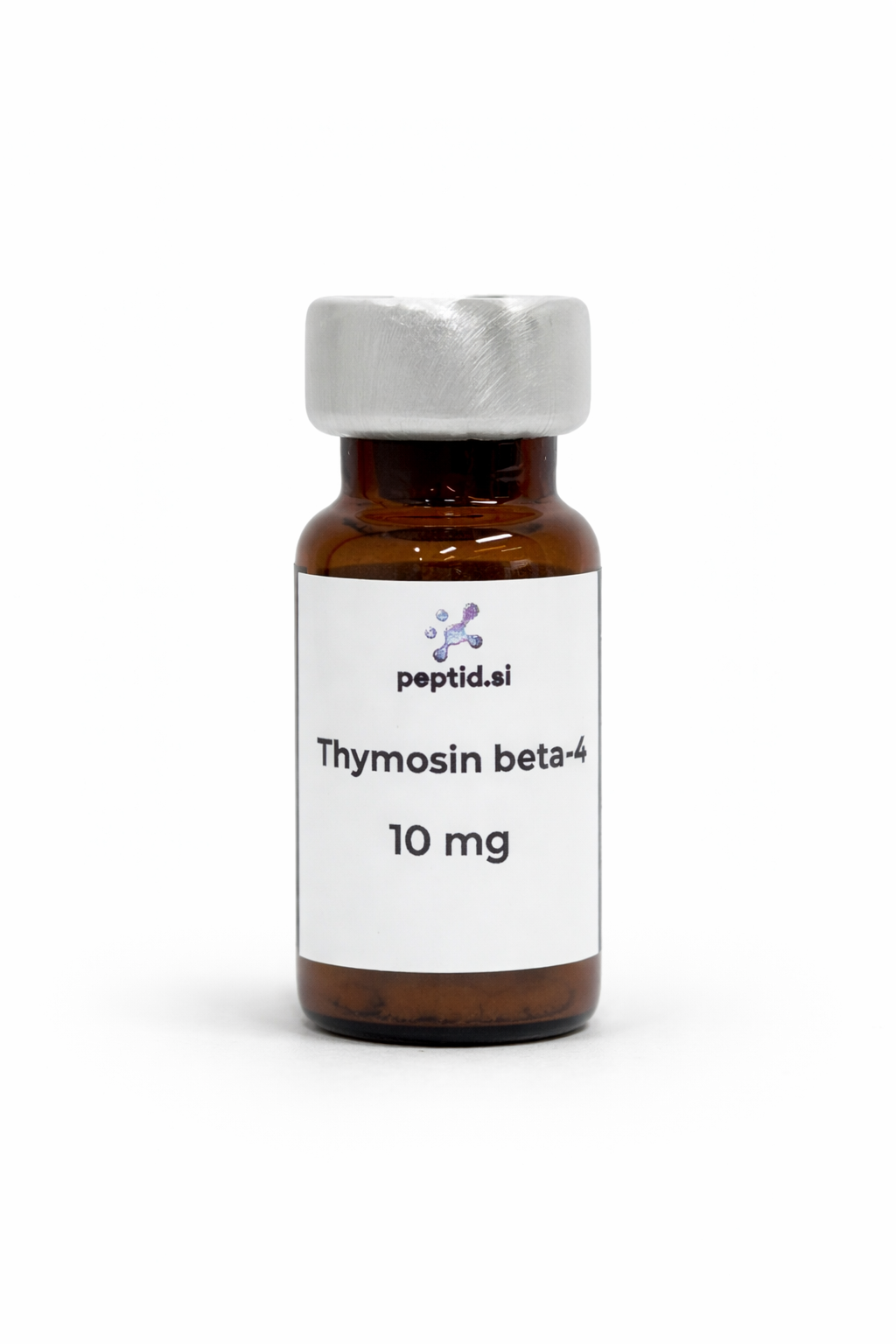
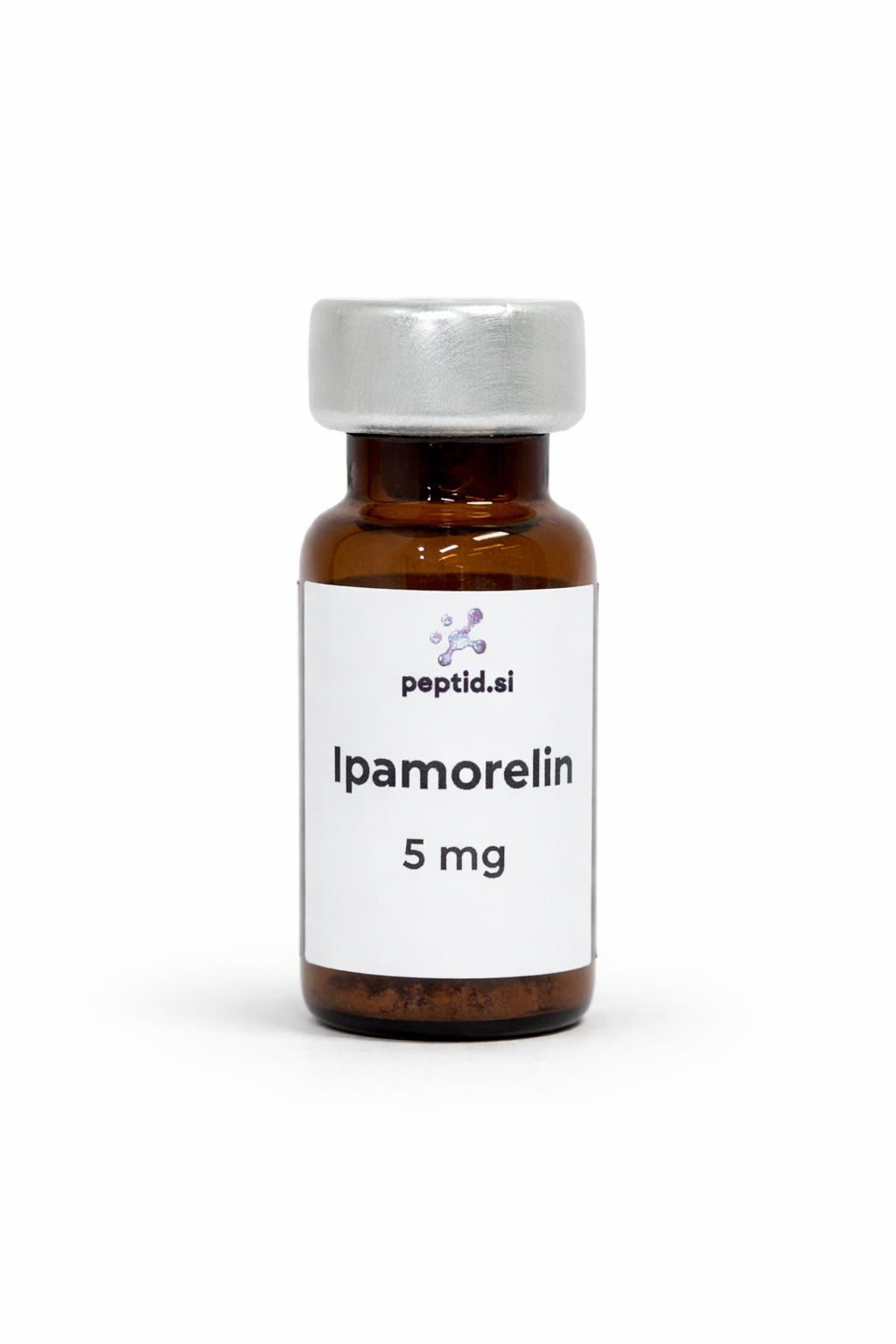
BPC-157 is a pentadecapeptide from gastric juice, studied in tissue regeneration. TB-500 (Thymosin Beta-4) has 43 amino acids and a role in cell migration. GHK-Cu is a tripeptide with a copper ion, used in wound healing research. Ipamorelin is a synthetic pentapeptide that stimulates growth hormone release in preclinical models.
Legal framework in the EU
Research peptides are legally available in the EU when intended exclusively for research (Research Use Only, RUO). They are not approved for human or veterinary use. Peptid.si operates within this framework.
References / Links
- Wang L, Wang N, Zhang W, Cheng X, Yan Z, et al. (2022). Therapeutic peptides: current applications and future directions. Signal Transduct Target Ther. Nature
- Zheng B, Wang X, Guo M, Tzeng CM (2025). Therapeutic Peptides: Recent Advances in Discovery, Synthesis, and Clinical Translation. Int J Mol Sci. MDPI
- Rossino G, Marchese E, Galli G, Verde F, et al. (2023). Peptides as Therapeutic Agents: Challenges and Opportunities in the Green Transition Era. Molecules. MDPI
- Warthen JL, Lueckheide MJ (2024). Peptides as Targeting Agents and Therapeutics: A Brief Overview. Biomacromolecules. PubMed
- Bruno BJ, Miller GD, Lim CS (2013). Basics and recent advances in peptide and protein drug delivery. Ther Deliv. PubMed